The Slave Who Went Back
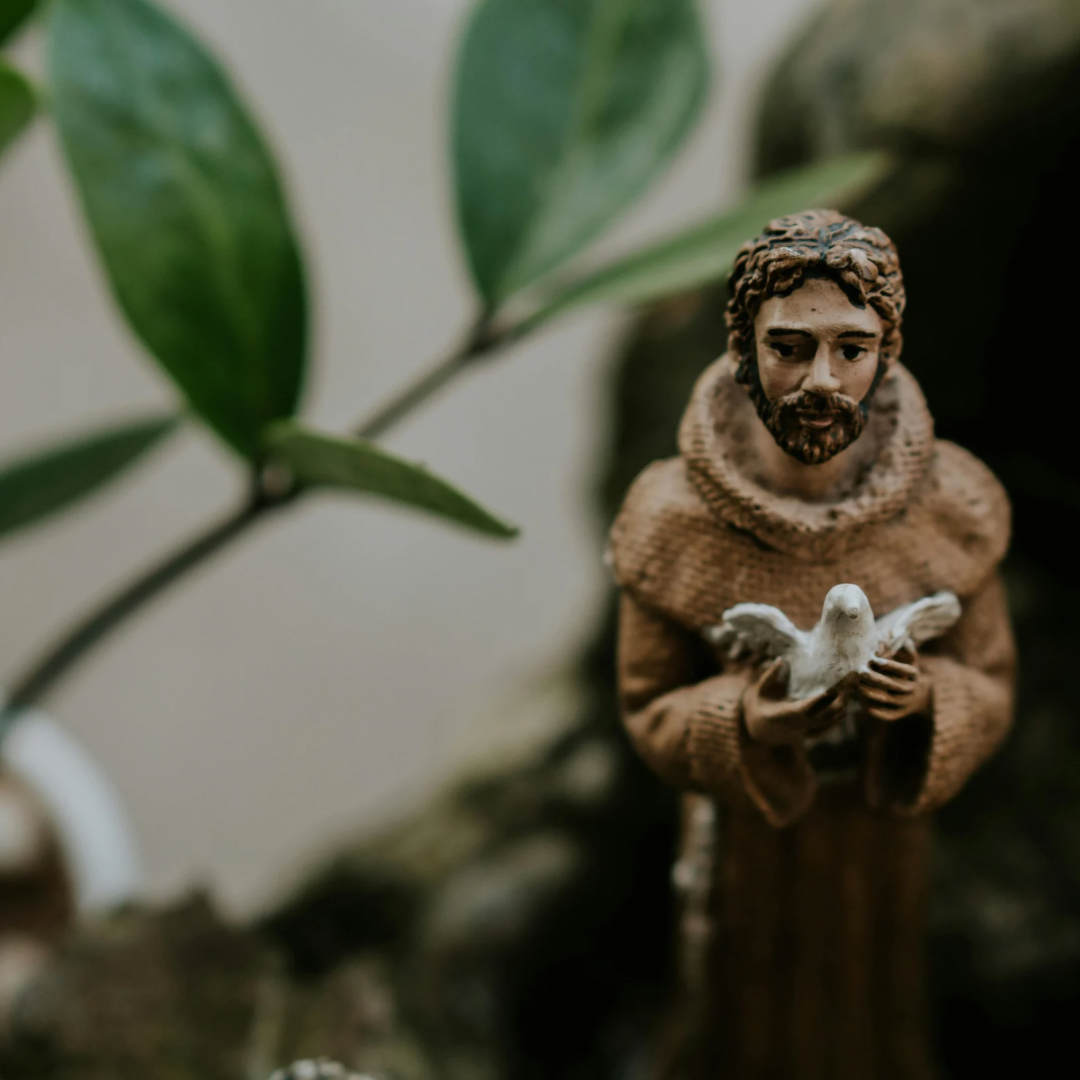
There was a man born around 385 AD in Roman Britain. His father was a deacon. His grandfather was a priest. But by his own admission, he didn’t care much about God growing up. He described himself as someone who had turned away from the faith of his family before he even understood what it meant. Then, at sixteen years old, everything changed.
Raiders from a neighboring island came and kidnapped him. Took him from his home, from his family, from everything he knew. He was dragged across the sea and sold into slavery. For six years, he worked as a shepherd in the cold, rain-soaked hills of a foreign land. Alone. Hungry. Forgotten by the world.
But not forgotten by God.
In that isolation, he began to pray, immensely. He later wrote that he would pray up to a hundred times a day and nearly as many at night. He prayed out in the woods, working in the rain, in the snow, everywhere he would go. Something God was doing in him during those years of suffering was forming a faith deeper than anything his comfortable upbringing had ever produced.
After six years, he heard the voice of God in a dream telling him it was time to leave and that a ship was waiting for him. So he escaped and walked nearly 200 miles to the coast, found the ship, and made it home.
Now he was free. He was safe. He was home with his family. But then he had another dream where he saw a man from the very nation that had enslaved him, holding countless letters. And the header of one read, “The Voice of the Irish.” As he read it, he could hear the voices of people near the western sea crying out, “We beg you, holy boy, come and walk among us again.”
We see a similar story mentioned in the New Testament book of Acts.
Acts 16:9-10 CSB During the night [Apostle] Paul had a vision in which a Macedonian man was standing and pleading with him, “Cross over to Macedonia and help us!” After he had seen the vision, we immediately made efforts to set out for Macedonia, concluding that God had called us to preach the gospel to them.
The man in our story answered the call. He could’ve stayed at home with his family where he was safe and comfortable. Nobody would’ve blamed him. But he went back— back to the land that had enslaved him. It was a land even the Roman world considered barbaric, dangerous, and unreachable. His own family didn’t want him to go and warned him to stay home with them. But he did go and he spent the rest of his life there. He shared the Gospel message about Jesus Christ with tribal kings and commoners alike. He baptized thousands. He planted churches across the entire nation. He faced opposition, death threats, and accusations from religious leaders back home who thought he was unqualified.
But he kept going because he knew who had sent him.
He once wrote, “I am greatly a debtor to God, who gave me such great grace that many peoples were reborn in God through me.”
His name?
Patrick
St. Patrick is not the green beer drinking leprechaun cartoon the world has turned him into. He is a former slave turned missionary. He’s a man who forgave an entire nation and then gave his whole life to reach it with the good news of Jesus.
So when you see the green and the shamrocks, remember the real story. A teenager was kidnapped, enslaved, and broken. God met him in that brokenness, called him back to the very people who had taken everything from him, he willingly gave it all back to them, and was used by God to bring an entire nation to faith.
That’s not a holiday. That’s the Gospel at work. Amen!
Source: The Confessio of St. Patrick (5th Century AD). A full English translation is freely available through the Royal Irish Academy’s St. Patrick’s Confessio Hypertext Stack at confessio.ie.
If you found value in this, here are some additional articles for you.